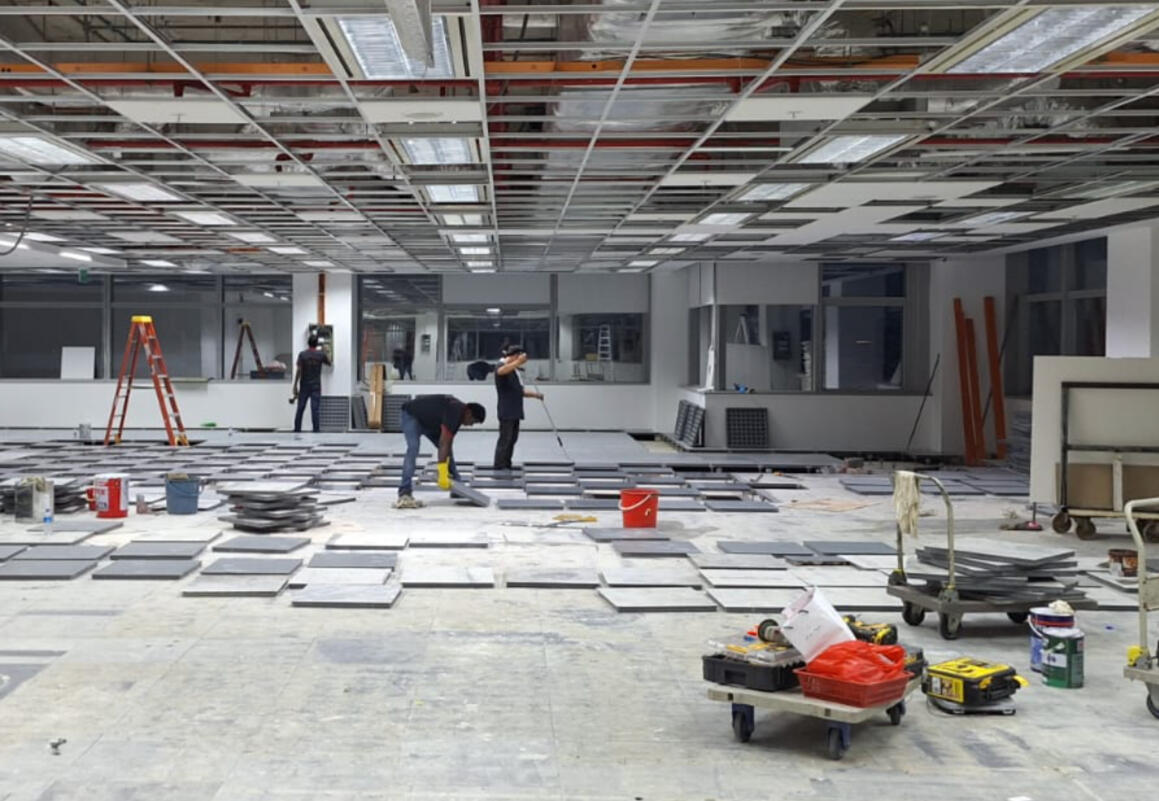
singapore licensed contractor
Reinstatement contractor singapore
TRENDS INTERIOR DESIGN PTE LTD (SINCE 1999)


Fast Turnaround. Fast Handover.
Competitive Pricing.
Own Team. No Sub Contractor
commercial reinstatement

direct contractor
FULL REINSTATEMENT. ELECTRICAL. FLOORING. DISMANTLING. DEMOLITION. PARTITION. REPAIRING. PAINTING. DISPOSAL.
fast & hassle free
quick quote
24 hour quick quote for your reinstatement need. Smooth handover process.
As quick as 1 day of reinstatement work.
No hidden cost as promised!
Most importantly we try to match your budget.
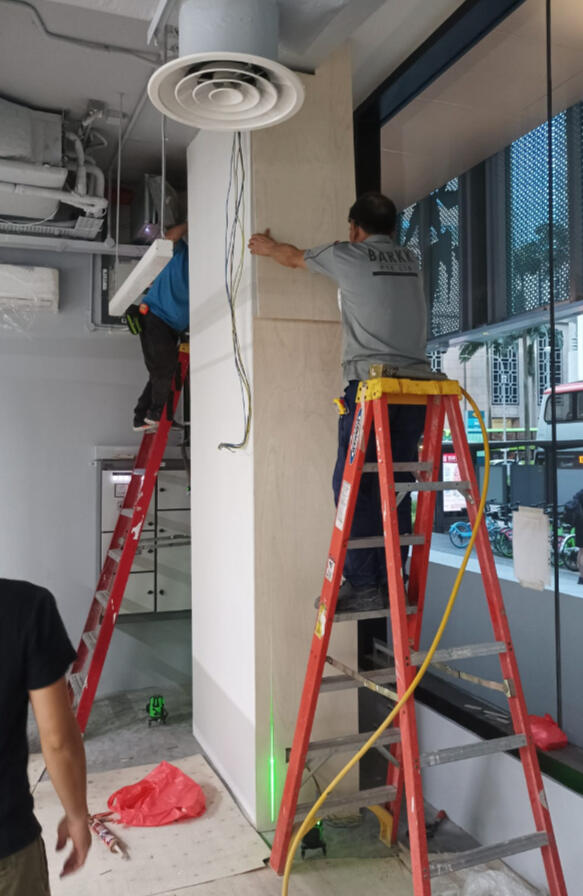
reinstatement services singapore
25 years of experience
We are familiar with various landord lease agreements.
We adhere to their reinstatement requirements without penalties.We specialised in RETAIL & OFFICE REINSTATEMENT.

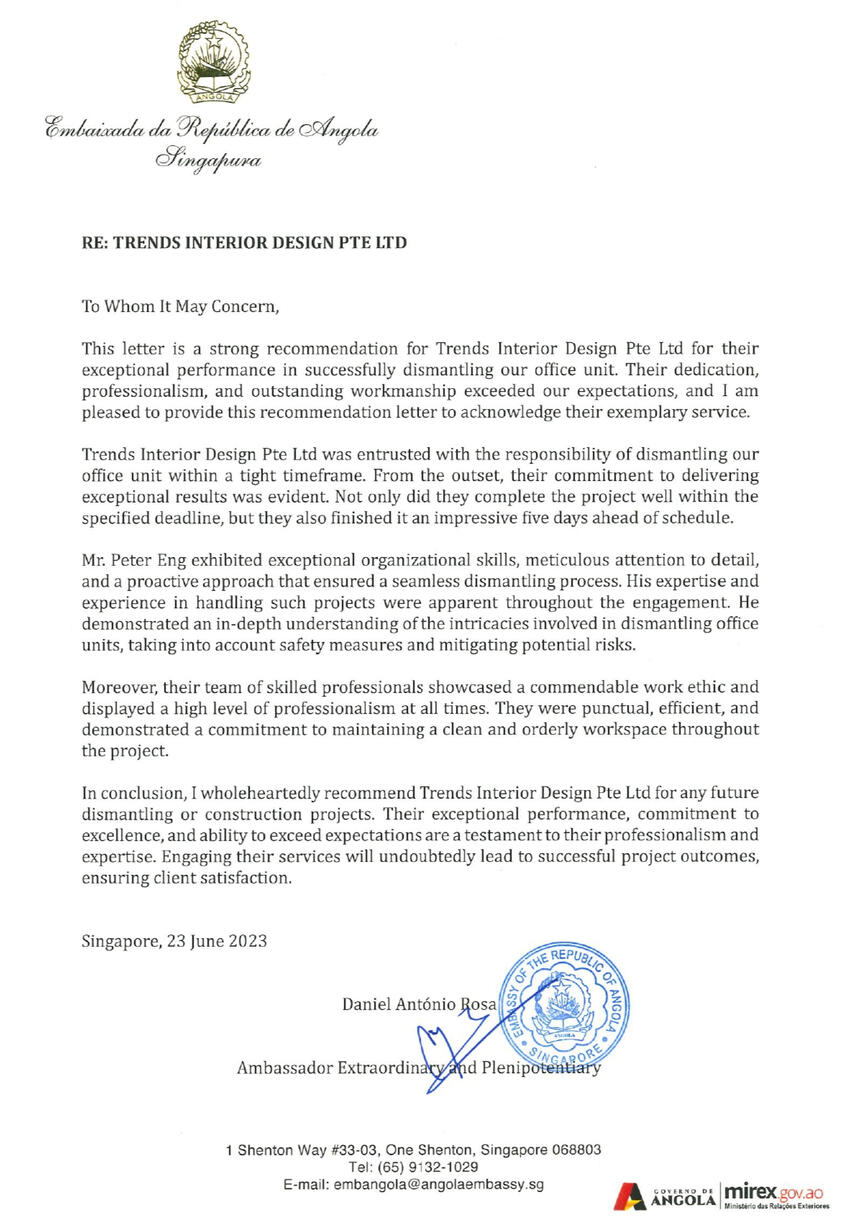
Our Letter of Commendation
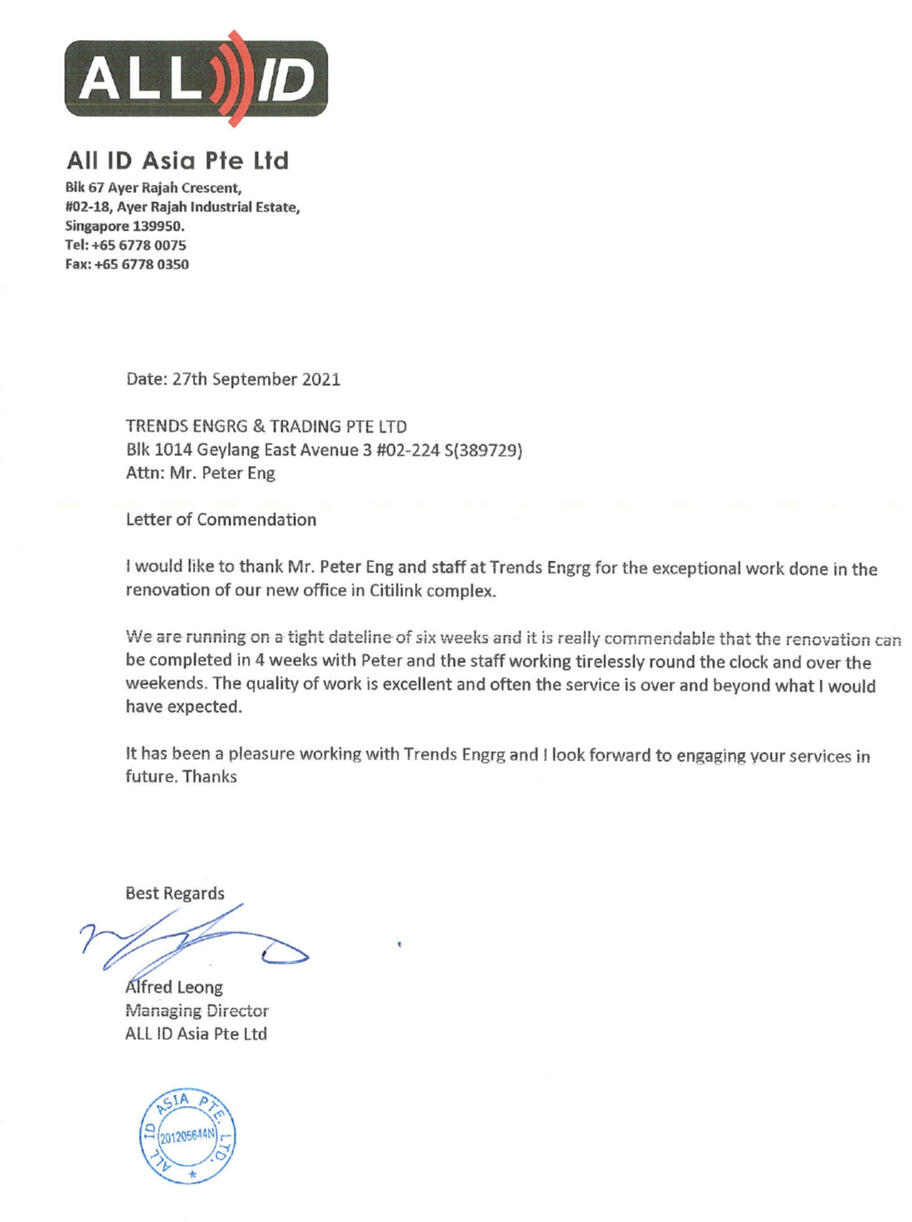
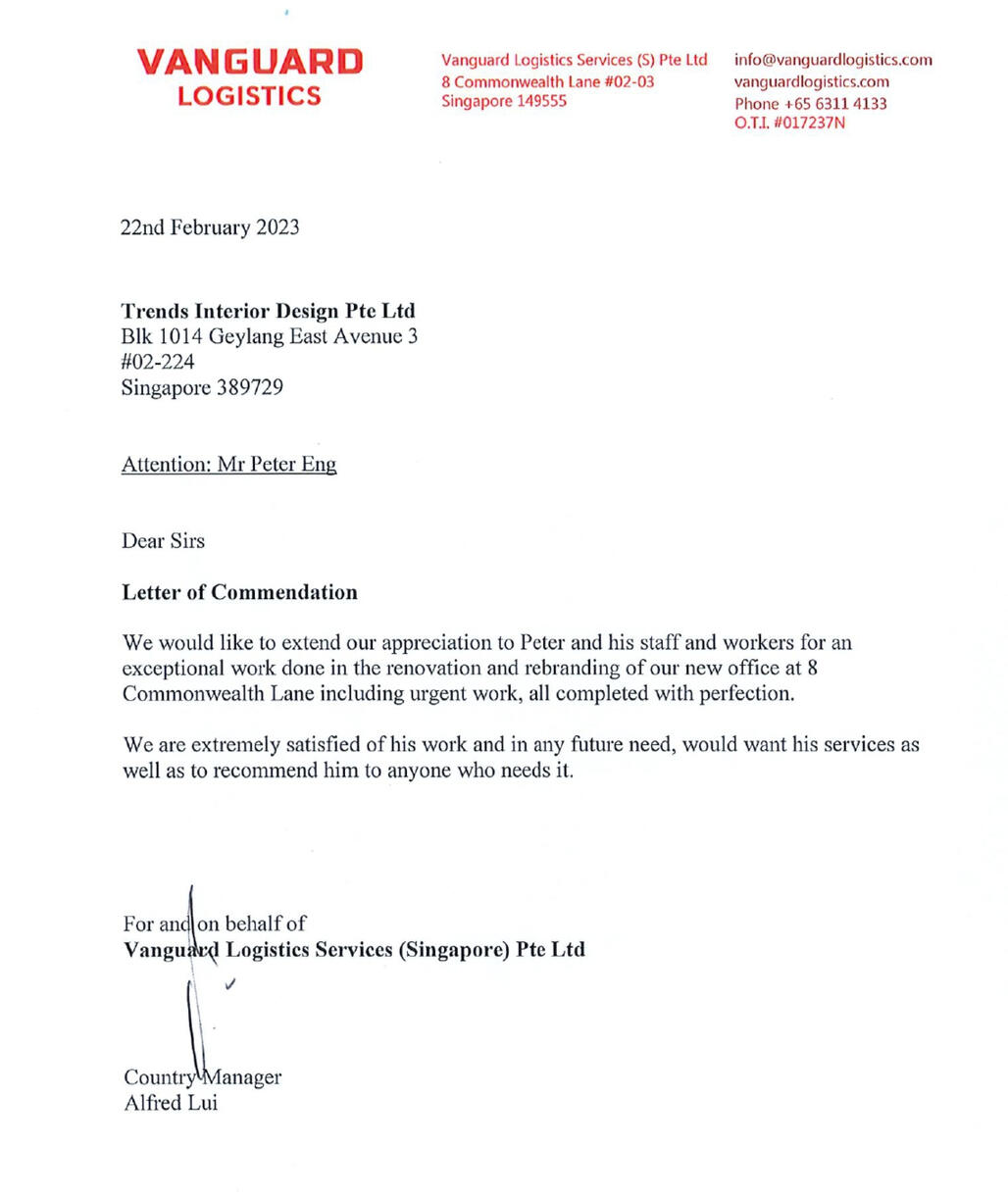
70,000 sqft space completed
25 years of experience
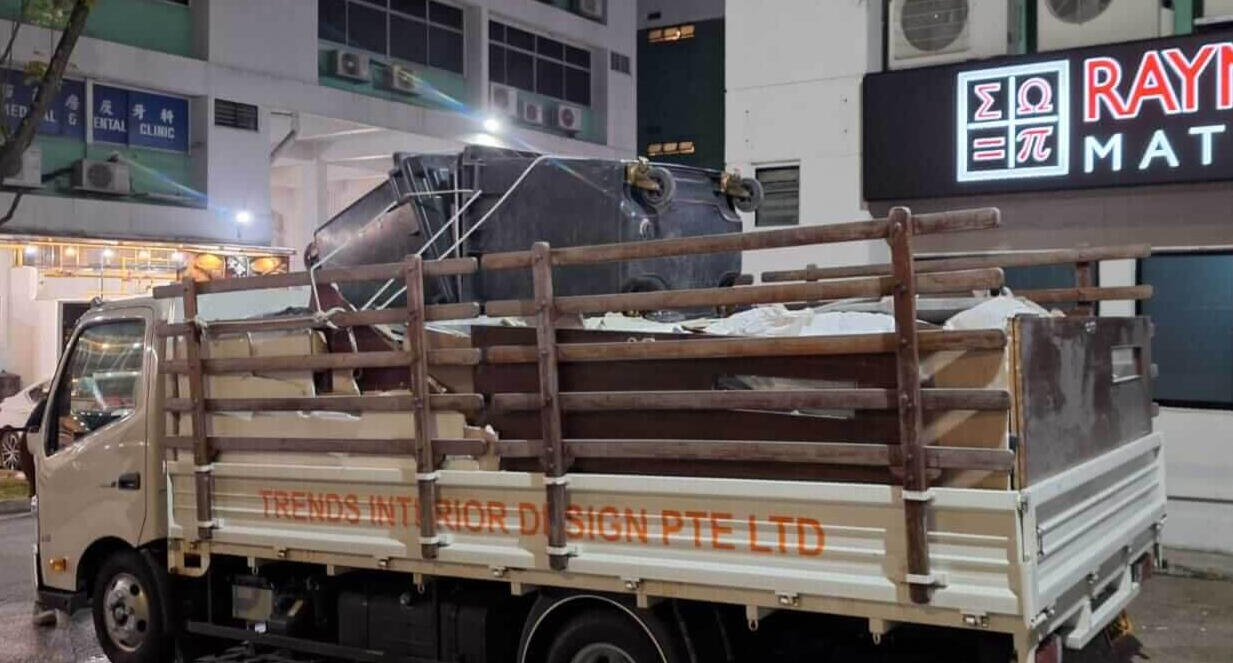
We have no fancy website, just a team of direct contractor specialised in reinstatement works for the last 25 years in Singapore.Having no external vendors involved in our project, we provide the fastest handover for reinstatement projects in Singapore.
01
Submission of all required documents and plans to MCST/Landlord for approval.
02
Obtaining the Notice of Approval (NOA) from the Singapore Civil Defence Force for BP & FP plans.
03
Start work + Handover within 3 days
reinstatement portfolio
Shop & Office Reinstatement Works in Singapore
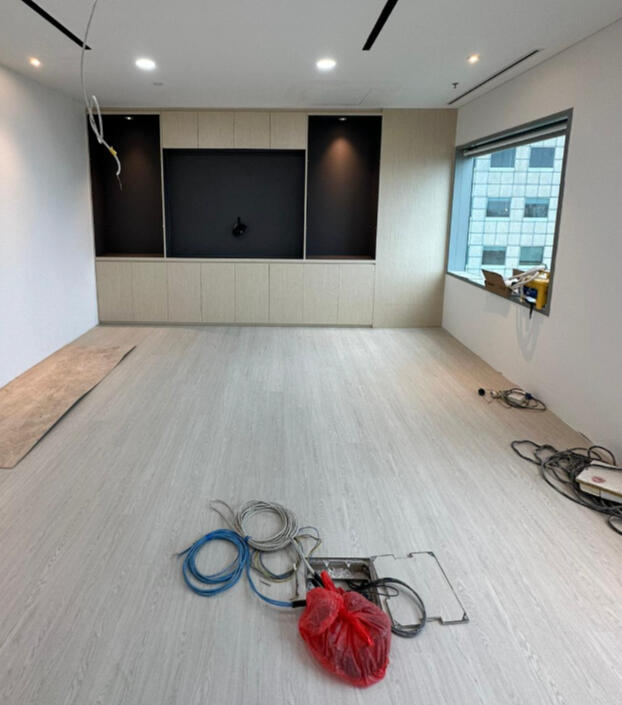
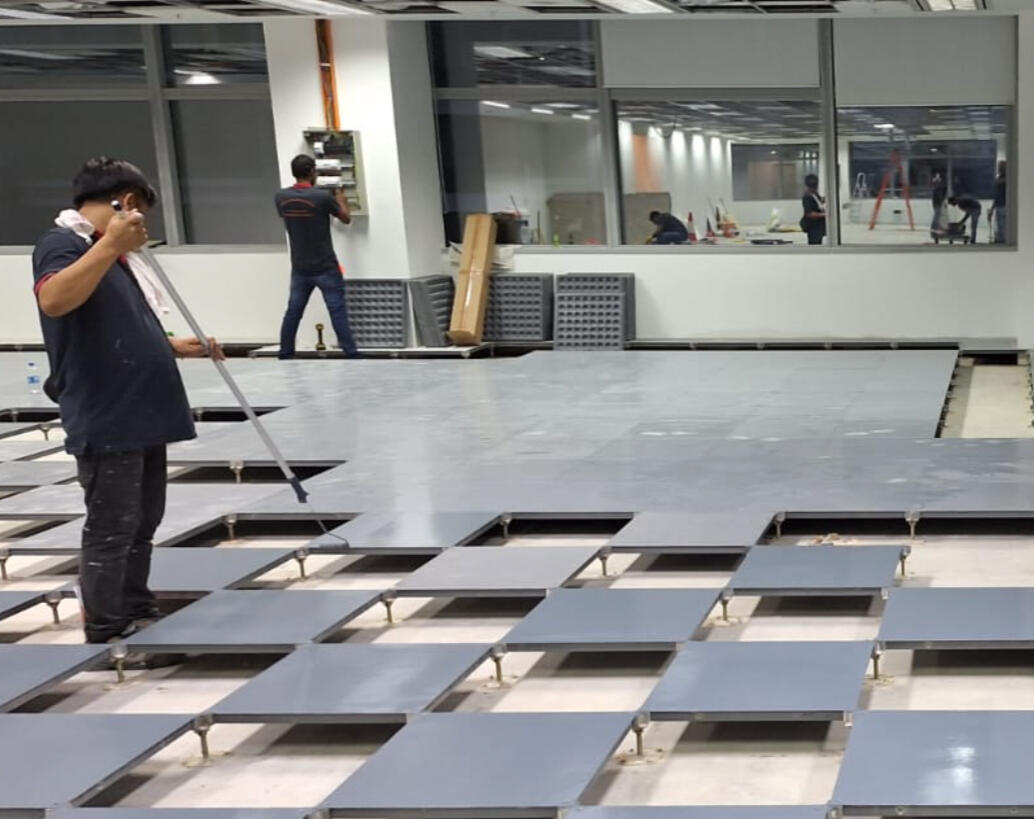
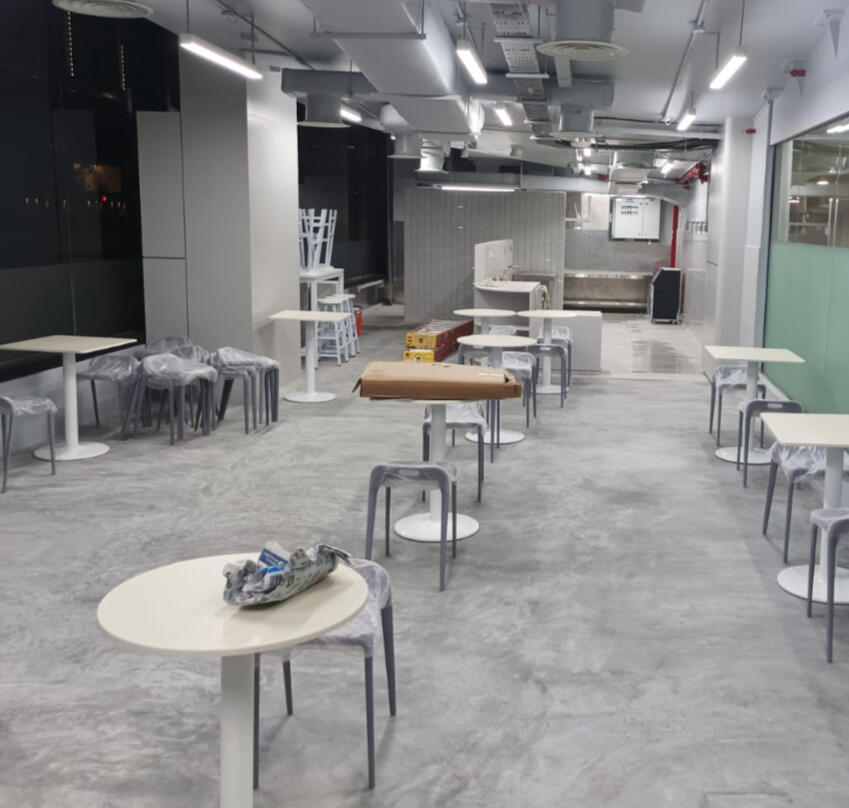
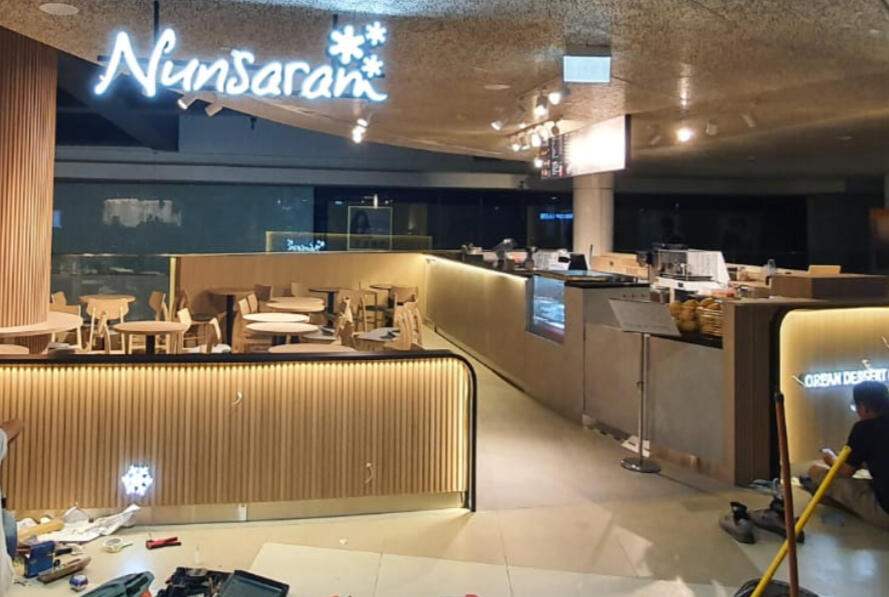
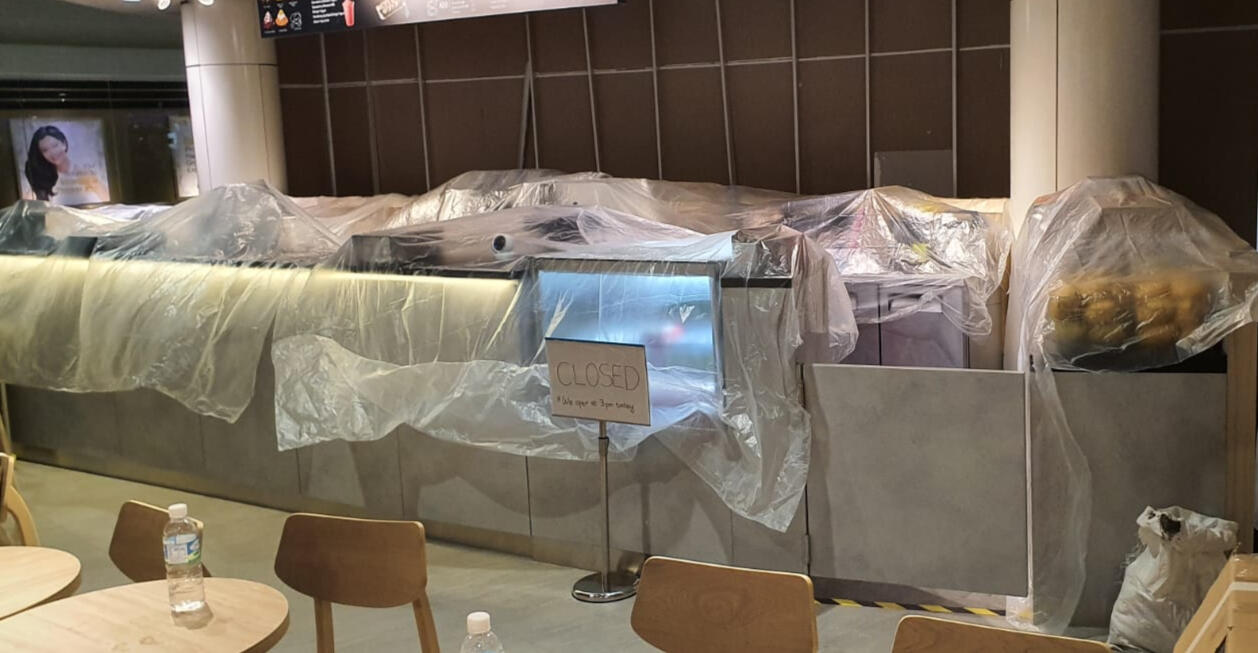
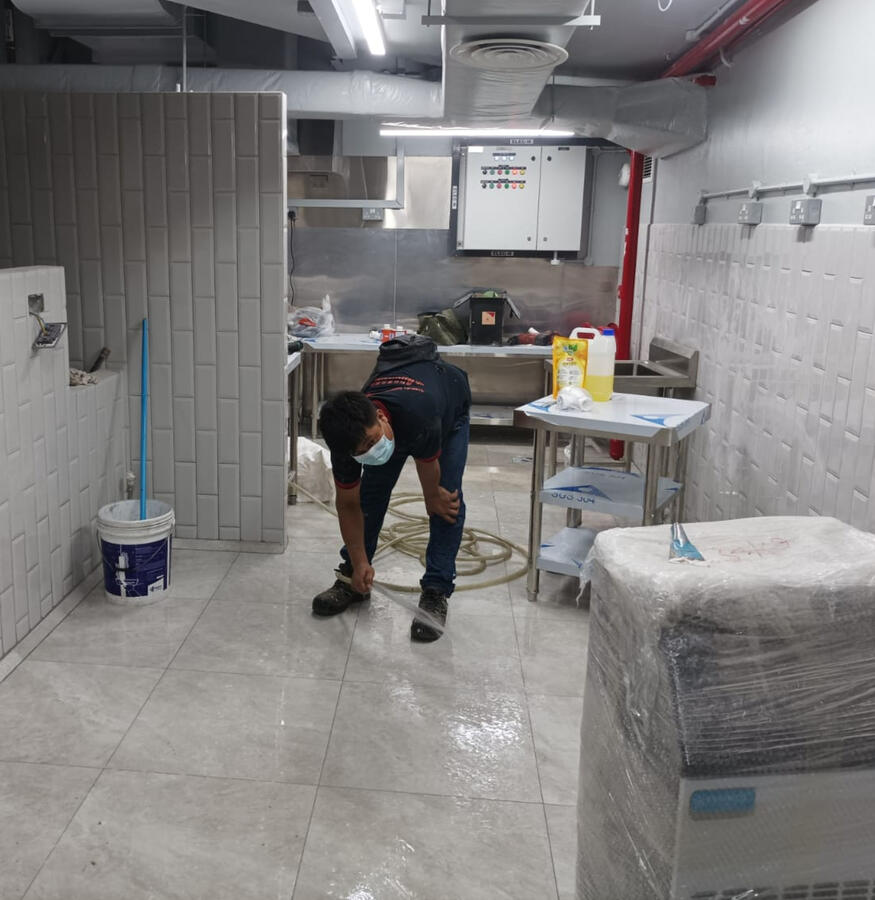
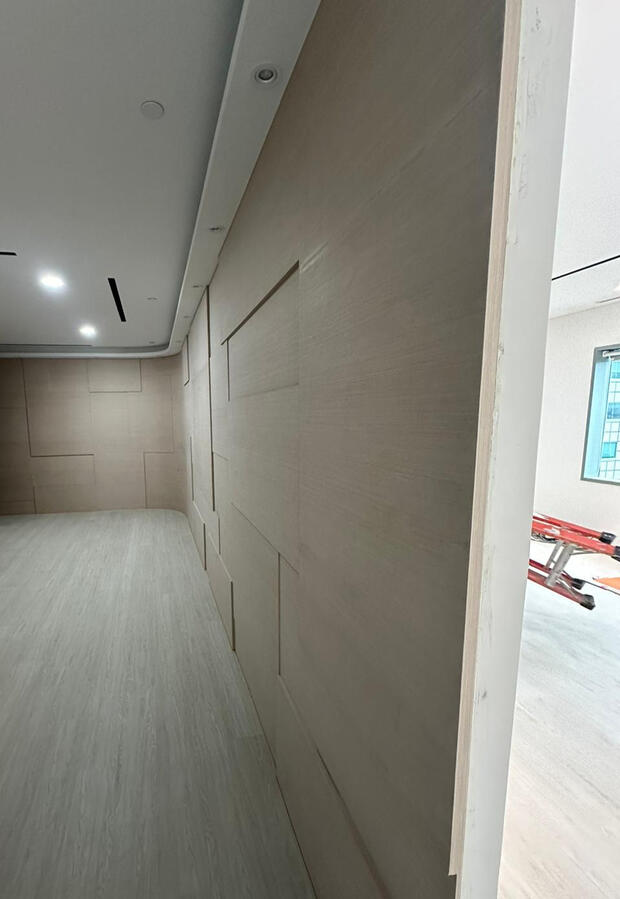

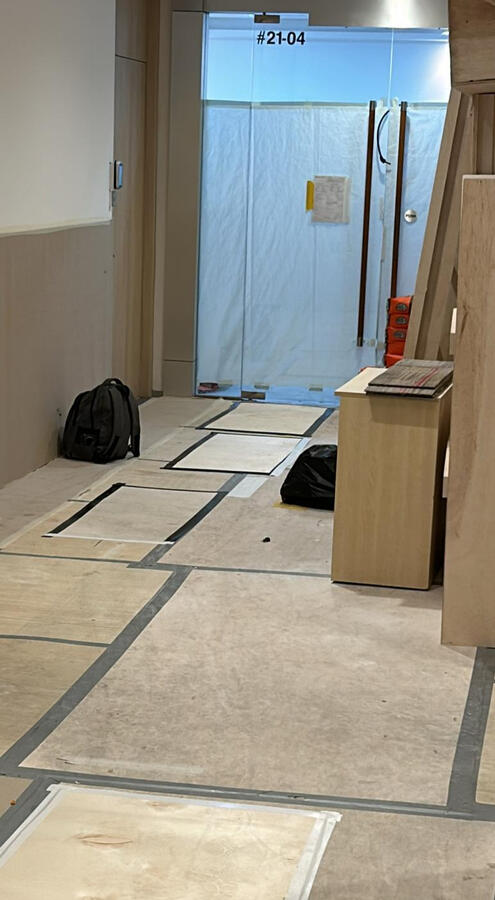
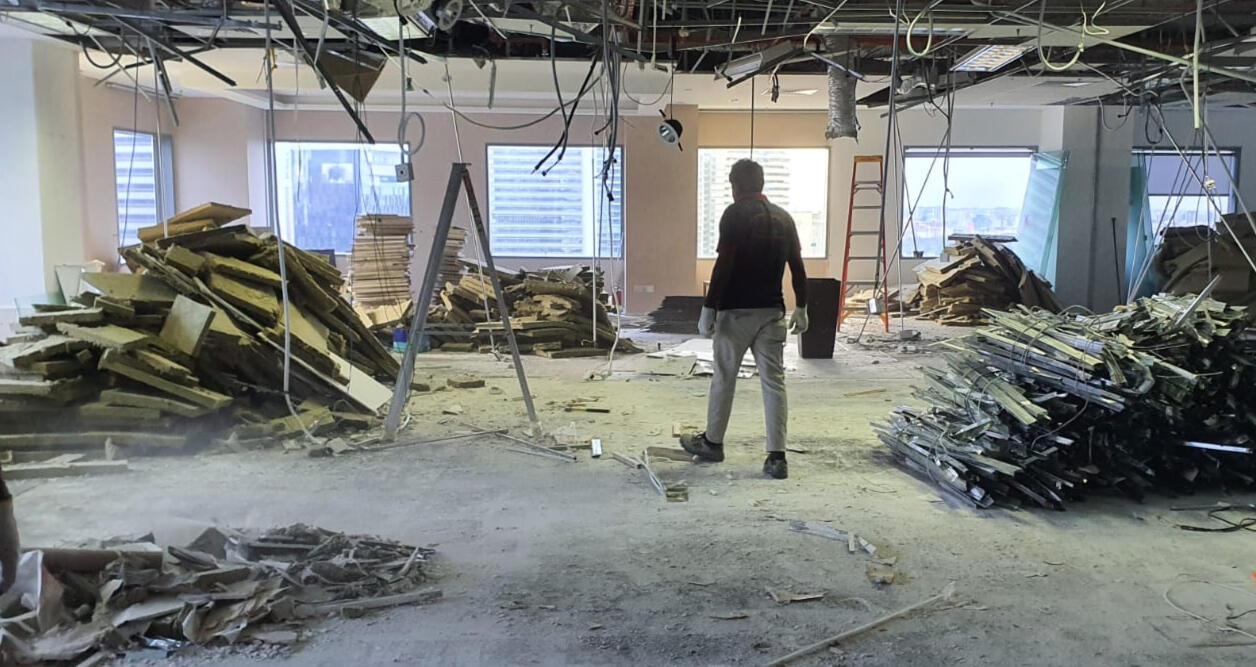
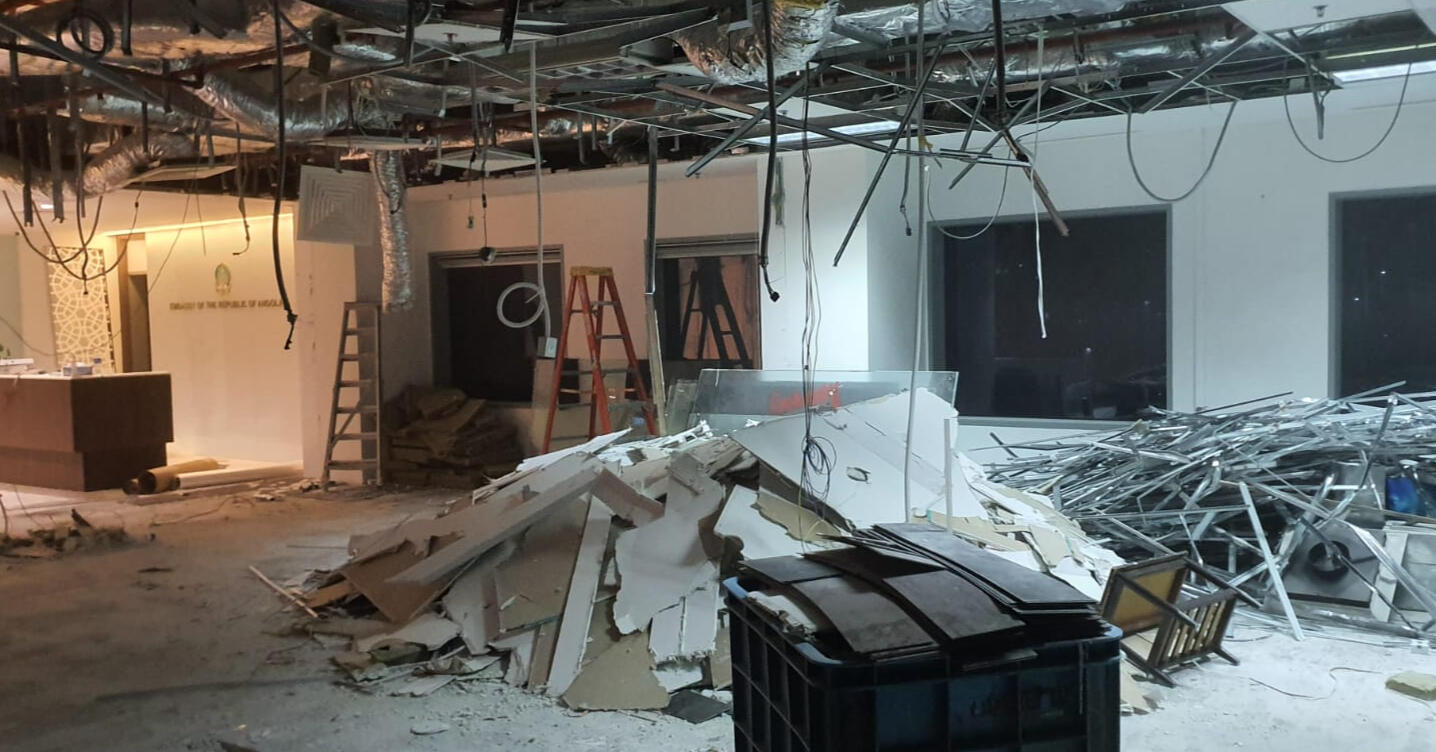
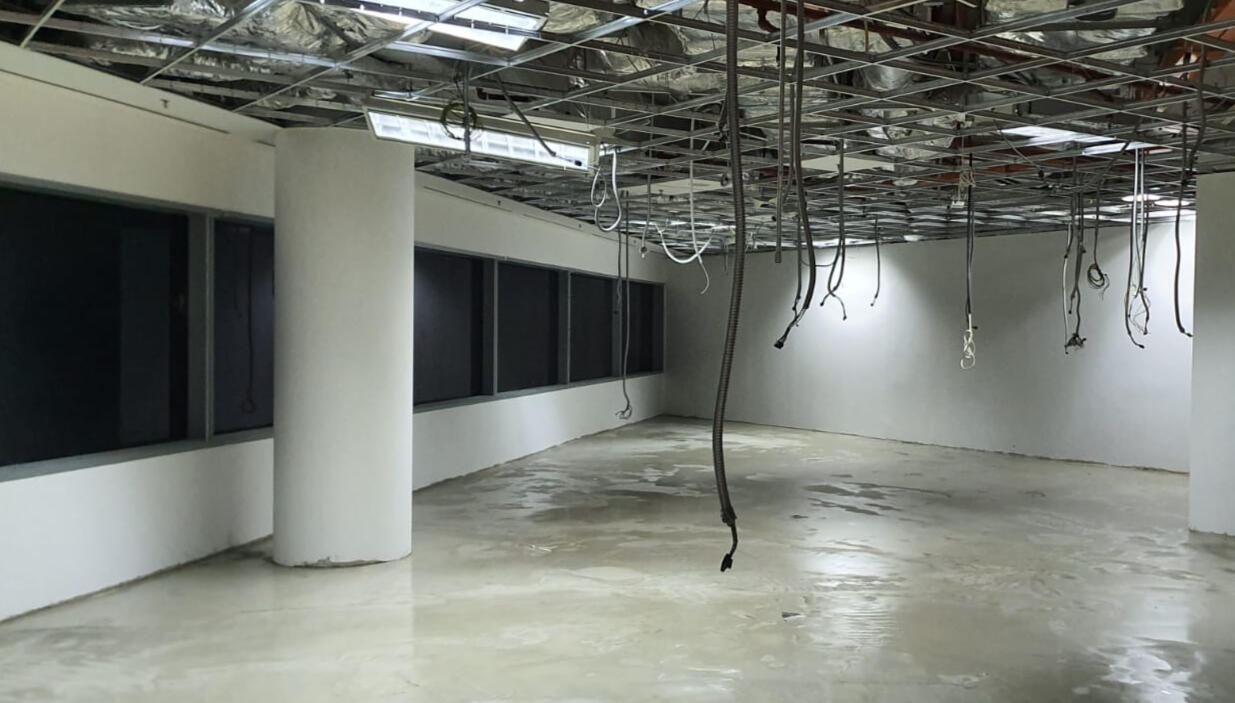
- Removal of Workstations or cubicles
- Removal of floor finishes
- Removal/hacking of wall partition or construction
- Dismantling of ceiling top works/cornices
- Removal of existing interior fixed cabinets or furniture
- Removal of mechanical, electrical, telephone and computer network data wiring installation
- Painting and touch ups
- Carpets removal if any
- Install original window curtain or blinds fitting or light fittings
- Removal of wall sign, posters or pictures or signage.
- Dismantling of office air-conditioning or security alarm system
- Dismantling of water sprinkler fire security systems
- Repair or replace any faulty electrical power switches, doors, windows or walls & others
- Removal of kitchen/pantry
- Removal of office furniture
competitive quote

set an appointment
We are
- bizSAFE Level 3
- LEW (Licensed Electrical Worker)
- GB2 Builder LicensedTRENDS INTERIOR DESIGN PTE LTD
UEN: 200408913ZOFFICE: 1014 Geylang East Avenue 3, #02-224, Singapore 389729
FACTORY: 280 Woodlands Industrial Park, #08-23 Singapore 757322
Reinstatement Contractor Services
Reinstatement Process in Singapore
The reinstatement process follows a structured sequence from initial property inspection through to final handover. Property owners and tenants should understand each stage to avoid delays and ensure compliance with lease requirements.Initial Assessment
The process begins with a thorough inspection of the office space to determine what needs to be restored. This assessment compares the current state of the premises against the original condition documented in the lease agreement or tenancy contract.A qualified contractor or project manager examines all modifications made during the tenancy. They document structural changes, partition walls, flooring alterations, electrical installations, and any other customisations. The assessment identifies which elements must be removed and what restoration work is required.Tenants should review their lease agreement carefully during this stage. Some landlords may allow certain fixtures to remain whilst others require complete restoration to bare shell condition. Understanding these specific requirements prevents disputes and additional costs later.Quotation and Contractor Selection
Once the scope of work is clear, tenants typically obtain quotations from multiple licensed contractors. These quotes should itemise all tasks including demolition, disposal, repairs, and final cleaning.Contractors must hold relevant licences and insurance coverage for reinstatement work in Singapore. Tenants should verify credentials and request references from previous projects. The selected contractor should understand local regulations regarding waste disposal and building modifications.Price alone should not determine the choice. Factors such as experience with similar projects, timeline commitments, and the contractor's reputation for quality work matter equally. A detailed written contract protects both parties and clarifies expectations.Reinstatement Project Timeline
Most office reinstatement projects take between two to six weeks depending on the space size and work complexity. Simple projects involving minimal modifications may complete in under two weeks. Larger spaces with extensive customisations require longer timeframes.Tenants must factor in the timeline when planning their move-out date. Starting the process at least two months before lease expiry allows adequate time for assessment, contractor selection, and actual works. Delays can result in additional rent charges or penalties.The contractor should provide a detailed schedule with milestones for different work stages. Regular site inspections ensure the work progresses according to plan and meets the required standards before final handover to the landlord.Typical Inclusions and Exclusions
Understanding what contractors include in their reinstatement quotes helps tenants avoid unexpected costs and disputes. Most standard packages cover basic restoration work, but several items often fall outside the base scope.Standard Scope of Workfor Reinstatement
A typical reinstatement contract includes demolition of partitions, false ceilings, and raised flooring installed during the tenant's occupation. Contractors remove carpeting, vinyl flooring, and other non-original floor finishes to expose the base concrete slab.The scope covers patching and repainting walls to their original condition. This includes filling holes from mounted fixtures, cable routes, and partition connections. Electricians remove tenant-installed wiring, power points, and lighting fixtures that weren't part of the original handover.Standard inclusions typically cover:Demolition of walls, partitions, and built-in furniture
Removal of false ceilings and ceiling fixtures
Disposal of carpets, vinyl, and raised flooring
Wall patching, plastering, and painting
Electrical rewiring to original configuration
Basic cleaning of the premises
Items Commonly Excluded
Most reinstatement quotes exclude disposal fees for hazardous materials like asbestos insulation or lead-based paint. Tenants pay separately for these specialised removal services, which require certified contractors.Structural repairs beyond normal wear fall outside standard agreements. This includes fixing water damage, major floor cracks, or ceiling damage caused by leaks. HVAC ductwork modifications often require separate quotes from mechanical specialists.Common exclusions include:Hazardous material disposal (asbestos, lead paint)
Structural repairs from tenant negligence
HVAC system modifications or repairs
Window replacements or repairs
External signage removal permits and fees
After-hours work surcharges
Tenants should request itemised quotes that clearly separate included and excluded work to avoid billing surprises.Factors That Influence Reinstatement Costs
Several key factors determine how much a tenant will spend on office reinstatement in Singapore. The condition of the space, its size and configuration, and the quality of original materials all play significant roles in shaping the final bill.Condition of Premises
The current state of the office directly affects reinstatement expenses. Heavily modified spaces require more work to return to their original condition. Tenants who installed custom partitions, built-in furniture, or specialised electrical systems face higher costs compared to those with minimal alterations.Damage beyond normal wear and tear increases expenses considerably. Scratched floors, damaged walls, or broken fixtures need repair or replacement. Water damage or structural modifications require professional assessment and remediation, which adds to the overall cost.The level of cleanliness also matters. Offices with accumulated grime, stains, or neglected maintenance need deep cleaning and additional surface treatments. Landlords often specify cleanliness standards in lease agreements, and failing to meet these requirements leads to additional charges.Size and Layout
Larger office spaces naturally cost more to reinstate due to the increased area requiring attention. A 5,000 square foot office takes longer to restore than a 1,000 square foot space, resulting in higher labour and material costs.Complex layouts with multiple rooms, partitions, and built-in features demand more time and resources. Open-plan offices with fewer modifications typically cost less to reinstate than spaces divided into numerous private offices or meeting rooms. Each partition wall, door, and custom feature that needs removal adds to the total expense.The floor level and accessibility impact costs as well. Higher floors may incur additional charges for waste removal and material transport. Spaces with limited lift access or narrow corridors require more time for workers to move materials and debris.Materials and Finishes
The original materials used in the office determine replacement and restoration costs. Premium materials such as hardwood flooring, marble countertops, or custom wall finishes cost more to restore or replace than standard options like vinyl tiles or painted plasterboard.Matching existing finishes precisely can be challenging and expensive. Discontinued materials or custom colours may require special orders or professional colour matching services. Some materials age or fade over time, making it difficult to achieve seamless repairs without replacing entire sections.Compliance with current building standards sometimes requires upgraded materials during reinstatement. Fire-rated materials, acoustic treatments, or specific paint types must meet regulatory requirements, which can increase costs beyond simple like-for-like replacement.Obtaining Accurate Quotes
Getting precise reinstatement quotes requires thorough site assessments, careful contractor comparisons, and detailed cost breakdowns. These steps help tenants avoid unexpected charges and ensure fair pricing for their reinstatement project.Site Inspection Importance
Professional contractors need to inspect the office space before providing accurate quotes. A site visit allows them to assess the actual scope of work, including partition removal, ceiling restoration, flooring repairs, and electrical system changes. Without seeing the space firsthand, contractors can only provide rough estimates that may differ significantly from final costs.During inspections, contractors examine the lease agreement to understand specific landlord requirements. They measure the space, photograph existing conditions, and identify any special considerations like asbestos or structural modifications. This information helps them calculate labour hours, material needs, and disposal requirements accurately.Tenants should schedule inspections with at least three contractors to gather different perspectives on the work required. Some contractors might identify cost-saving opportunities that others miss, such as elements that don't need removal or simpler restoration methods.Comparing Singapore Contractors
Direct quote comparisons help identify reasonable pricing and potential red flags. Tenants should evaluate contractors based on their licensing, insurance coverage, past project experience, and customer reviews. A certified reinstatement contractor typically provides more reliable service than unlicensed operators.Price differences between quotes often reflect variations in service quality, project timelines, and included services. The cheapest option isn't always the best choice if it compromises proper waste disposal or fails to meet landlord standards. Tenants should verify what each quote includes, such as debris removal, cleaning, and minor repairs.Requesting Detailed Breakdowns
Comprehensive quotes separate costs into clear categories rather than providing single lump sums. Useful breakdowns include:Labour costs per trade (carpentry, electrical, painting)
Material and equipment expenses
Waste disposal and permit fees
Project management charges
Timeline estimates
Detailed breakdowns reveal where money goes and help tenants spot inflated charges or unnecessary work. They also make it easier to negotiate specific line items or request modifications to reduce costs. Contractors who resist providing detailed breakdowns may lack transparency in their pricing practices.Common Challenges and PitfallsReinstatement projects often encounter unexpected obstacles that can significantly impact budgets and timelines. Tenants frequently underestimate costs, struggle with unclear lease requirements, and face penalties for non-compliance with building regulations.Hidden Costs
Many tenants focus solely on the quoted price per square foot without accounting for additional expenses that emerge during reinstatement. Waste disposal fees have increased substantially in Singapore, with proper removal of construction debris, old fixtures, and hazardous materials adding thousands to the final bill.Common hidden expenses include:Asbestos testing and removal in older buildings
Repair of damage discovered behind walls or under flooring
Weekend or after-hours work charges to meet tight deadlines
Storage fees for furniture and equipment during works
Management corporation charges for common area protection
Electrical and plumbing works often reveal underlying issues that require immediate attention. A cracked pipe or faulty wiring discovered during demolition cannot be left unaddressed, forcing tenants to pay for repairs beyond the original scope. Contractors may also charge premium rates for expedited completion when tenants face strict lease end dates.Miscommunication with Landlords
Unclear lease agreements cause the majority of reinstatement disputes between tenants and landlords. Many tenants assume they only need to remove their additions, whilst landlords expect a complete restoration to the original state, including repainting, flooring replacement, and ceiling repairs.The definition of "original condition" varies significantly between parties. Some landlords require brand-new finishes, whilst others accept functional repairs with reasonable wear and tear. Without written clarification before starting works, tenants risk having their security deposits withheld or facing demands to redo completed work.Photographic documentation taken at the start of the lease provides crucial evidence of the space's initial condition. Tenants should obtain written approval of their reinstatement plans before engaging contractors. A detailed scope of works signed by both parties prevents costly disagreements and ensures the landlord's expectations are clearly understood and achievable within the budget.Non-Compliance Risks
Singapore's Building and Construction Authority enforces strict regulations on reinstatement works, particularly regarding fire safety, structural integrity, and waste management. Unauthorised contractors or substandard work can result in stop-work orders, fines, and mandatory rectification at the tenant's expense.Failure to obtain necessary permits before commencing demolition or renovation works leads to penalties ranging from $5,000 to $200,000. Building management corporations also impose their own requirements for work hours, material handling, and common area protection. Tenants who ignore these rules face additional charges and potential legal action from landlords.Improper waste disposal carries severe consequences under Singapore's environmental regulations. Contractors must dispose of construction waste at approved facilities with proper documentation. Using unlicensed waste removal services to save money can result in substantial fines and damage to the tenant's professional reputation.Singapore Legal and Contractual Considerations for Reinstatement Works
The lease agreement determines most reinstatement obligations, and tenants must understand their specific requirements to avoid financial penalties or legal disputes. Clear documentation and proper dispute procedures protect both parties during the handover process.Lease Clauses Relating to Reinstatement
Most commercial leases in Singapore include specific reinstatement clauses that outline what tenants must restore before vacating. These clauses typically specify whether the space must return to its original bare state or to a specific condition agreed upon at the start of the tenancy.The lease should clearly state which alterations require removal and which can remain. Some landlords allow tenants to leave certain improvements such as partitions or flooring if they add value to the property. Others require complete removal of all modifications including electrical works, partitions, false ceilings, and floor finishes.Tenants should review their lease agreement at least three to six months before the end date. This gives enough time to understand the requirements and obtain accurate quotes from contractors. The lease may also specify approved contractors or require landlord approval before work begins.Dispute Resolution Processes
Disputes often arise when landlords and tenants disagree about the scope or quality of reinstatement work. The most common issues include disagreements over what constitutes original condition, whether certain fixtures should be removed, and the standard of workmanship completed.Most lease agreements include a dispute resolution process that starts with negotiation between both parties. If direct negotiation fails, mediation through the Singapore Mediation Centre offers a faster and less expensive alternative to court proceedings.Documentation proves essential in disputes. Tenants should keep photographs of the space before any alterations, copies of landlord approvals for modifications, and records of the original condition stated in the lease. These materials support their position if disagreements escalate.Liabilities and Responsibilities
Tenants bear primary responsibility for reinstatement costs and must complete the work according to lease terms. Failure to meet these obligations allows landlords to forfeit the security deposit and hire their own contractors to complete the work, often at higher rates.The security deposit rarely covers full reinstatement costs for heavily modified spaces. Tenants remain liable for any shortfall and must pay additiona